Why You’re Struggling to Lose Weight
 By Joan Gichuhi . 23rd.August.2022
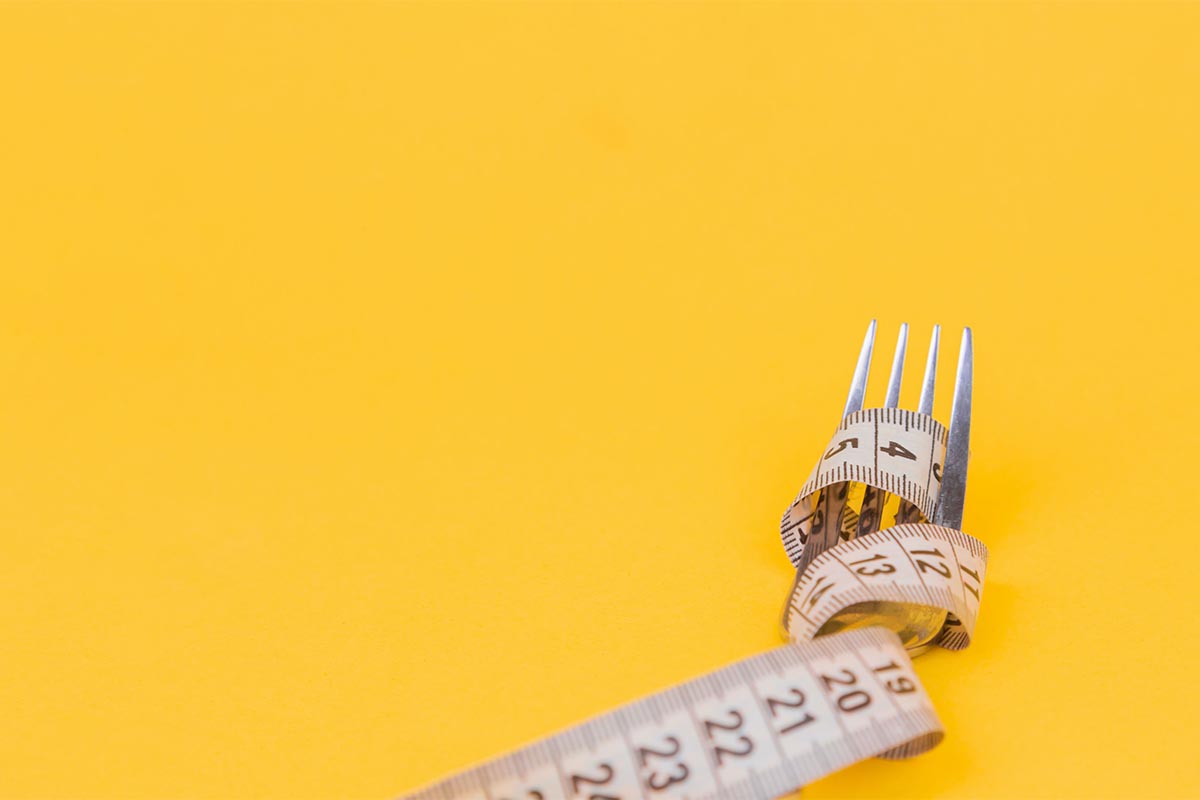
Photo by Diana Polekhinas from Unsplash
Sensitive Topic
Just a quick reminder before you start: Be mindful of your own limits and triggers. This post may contain information about eating disorders and related thoughts and emotions.
Going on a weight loss journey can be complicated and emotional. And, if you feel like you’re doing everything right, it can be incredibly frustrating when you don’t lose weight. A lot of us struggle to lose weight because we struggle to find balance with our “diets” (and I’m using this term very lightly, I prefer the term eating plan). Cue you, smashing your scale, and wondering, Why am I not losing weight? First, breathe. Next, know this: While exercising regularly and eating well are important, they’re just two of the many factors that can influence weight loss. In this post, I’m going to give you 5 reasons why you’re struggling to lose weight, along with a few related blog posts that you might find helpful.
5 Common weight loss mistakes you might be making
1. Relying on crash diets
Determined to lose 10 pounds/ 5 kgs fast, you turn to a crash diet. Perhaps your plan calls for nothing but grapefruit or cabbage soup each day. You slash your daily calories to fewer than 1,000, and sure enough, the pounds melt away. But when you eat so few calories, you train your metabolism to slow down. Once the diet is over, you have a body that burns calories more slowly, and you usually regain the weight.
Related post: 9 Weight loss- friendly Foods I Eat Every Day
2. Chasing perfection
When many of us are desperate to shed those extra pounds, we tend to chase perfection with our weight loss strategies. When I have tried to follow strict eating plans in the past, I have found that they didn’t consider the other time constraints in my life. These eating plans didn’t consider that I would have social elements to my life that involve eating and or drinking out too. There’s a small thing called life that you need to consider. If you can’t go eat out with your friends or enjoy an ice cream with your kids every now and then, then you need a new eating plan. Remember, you should aim for progress, not perfection. Eating a slice of cake on your birthday won’t make you gain weight, the same way as eating a salad once won’t make you lose any weight.
Related post: Eating Disorders: Detecting and Overcoming Them!
3. Focusing on the scale
It’s important to remember that the number on the scale is only one measure of weight change. Weight is influenced by several things, including fluid fluctuations and the amount of food that remains in your system. Weight may fluctuate around 1 to 2 kgs (2 to 4 pounds) over a few days, depending on factors like how much food and liquid you’ve consumed. Also, hormonal changes in women can lead to greater water retention, which is reflected in the weight you see on the scale. If the number on the scale isn’t moving, you may be losing fat mass but holding on to water. Additionally, if you’ve been working out, you may be gaining muscle and losing fat.
Bottom line: Measuring your waist with a tape measure and taking monthly pictures of yourself can indicate if you’re losing fat, even if the scale number doesn’t change much.
4. Eating too few calories
A calorie deficit is required for weight loss. This means you need to burn more calories than you consume. However, severely decreasing your calorie intake can be counterproductive. Studies on very low-calorie eating plans indicate they may lead to muscle loss and significantly slow down metabolism. If you’re not tracking what you eat, you may be consuming fewer calories than you realize. Meal prepping is a lifesaver when it comes to freeing yourself from calorie counting while consuming filling nutrient-dense food.
Related post: Meal prepping for beginners: In Just 3 easy steps
5. Losing track of your snacks
Maybe you count calories at every meal, but what about all those nibbles in between? There's the bag of pretzels at your desk, the little slice of cake at a party, the taste of your son's ice cream cone. All of this mindless munching adds up and could sabotage an otherwise well-planned eating plan. If you're serious about counting calories, you may either meal prep or use your smartphone or a notebook (a food journal) to keep track of what you eat during the day.
Tip: People who keep food journals have been proven to be more successful at weight loss because journaling helps them become more aware of what they’re eating.
Bottom line
Over the years, I have developed my basic cooking skills to make fast, easy calorie counted recipes. As well as learning how to make better food choices when eating out or grabbing food from commercial eateries on the go. Never lose sight of the fact that fitness should improve your life not ruin it. I have also most importantly learned to stop punishing myself for ‘being good’ or ‘being bad’ with my eating plan. Focusing on being a bit more realistic and becoming more consistent with my overall progress has played a significant role in my weight loss. Unrealistic expectations may lead to frustration. Set practical goals to help increase your chances of meeting them while healthily losing weight.
If you like this post and find it share-worthy – which I hope you do – please share. Tag #smodernhealth on Instagram and don’t forget to check out my other blog posts!
Share with your friends:
Leave a Comment
Your email address will not be published.
Comments (0)
Hey There! I'm Joan

I'm the web developer, recipe developer, and eCookBook author behind Smodern Health. A lot of people believe that keeping fit is hard, and healthy waistline-friendly food is tasteless boring. Well... i'm here to show you otherwise. Whether it's for my meal plans, health tips, or weight loss motivation.. I'm so happy you're here!


