Meal prepping for beginners: In Just 3 easy steps
 By Joan Gichuhi . 24th.June.2022
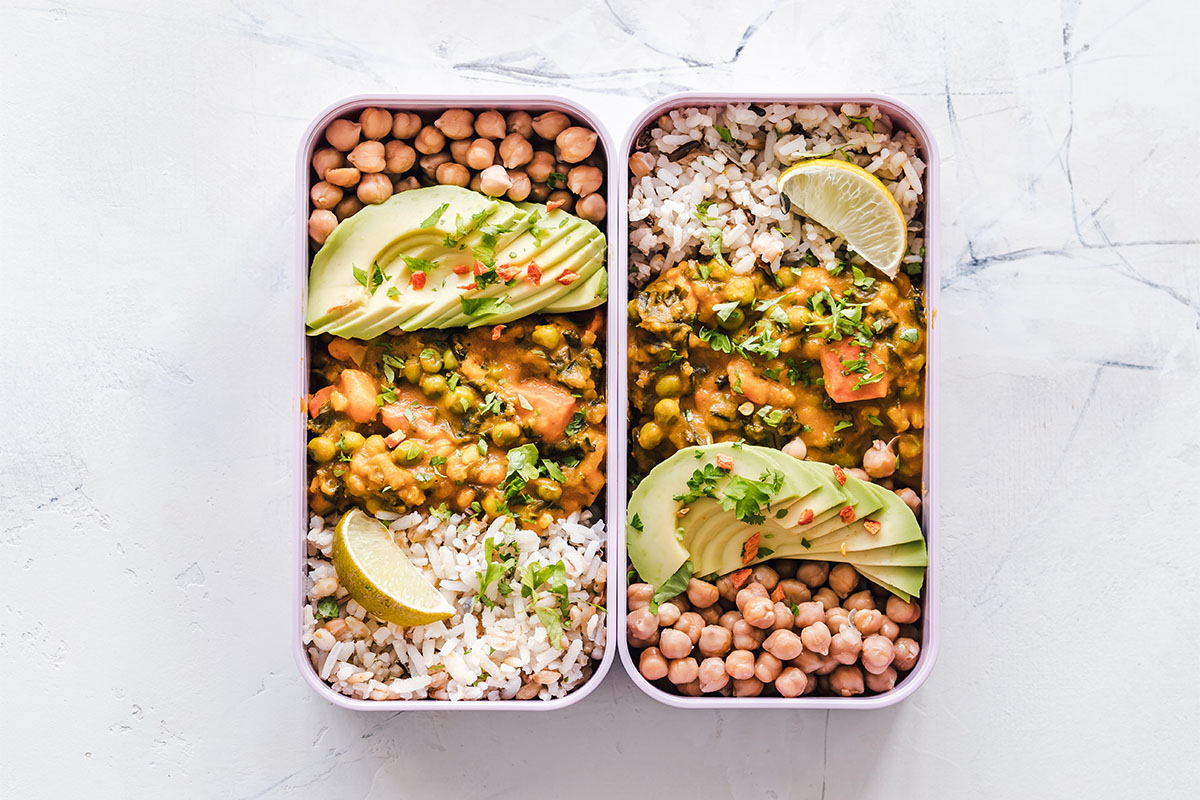
Photo by Ella Olsson from Unsplash
Sensitive Topic
Just a quick reminder before you start: Be mindful of your own limits and triggers. This post may contain information about eating disorders and related thoughts and emotions.
Meal preps are always a time, energy, and budget saver for anyone with a busy schedule. Who hasn’t left work late or school with a growling stomach but little energy to shop and cook? A busy schedule is one of the top reasons why people choose quick takeout meals, which are often calorie-laden and a contributor to expanding waistlines. Now, imagine a different scenario where within a few minutes of walking through the door you have a delicious home-cooked dinner, and perhaps even lunch packed up for the next day. Amidst hectic weekday schedules, meal prepping is a great way to help keep us on a healthy eating track.
What to expect: In this post, I’m giving you an easy 3 step guide that will turn you into a meal prep pro in no time. Bonus, this guide comes with amazing tips & recipe ideas for meal prep.
What is meal prepping?
Meal prepping is the concept of preparing meals or dishes ahead of schedule. It can range from simply preparing mouthwatering overnight oats for breakfast to cooking complete dinners for the upcoming week. There is no one right way or method to meal prep—it's about what works best for you. In this guide to meal prep for beginners, I break it down into 3 simple steps to help make your meal planning and prepping easy.
The 3 most common ways to meal prep
Make-ahead meals: Full meals cooked in advance which can be refrigerated and reheated at mealtimes. This is particularly handy for dinnertime meals.
Batch cooking: Making large batches of a specific recipe, then splitting it into individual portions to be frozen and eaten over the next few weeks. These make for popular warm lunch or dinner options.
Ready-to-cook ingredients: Prepping the ingredients required for specific meals ahead of time is a way to cut down on cooking time in the kitchen.
The method that will work best for you depends on your goals and daily routine. For instance, make-ahead breakfasts might work best if you’re looking to streamline your morning routine. On the other hand, keeping batch-cooked meals in your freezer is particularly handy for those who have limited time in the evenings.
Bottom line: There are various ways to meal prep — not all of which involve spending a whole Sunday afternoon cooking dishes for the week to come. Start by choosing the most appealing method, then slowly experiment with the others to determine what suits you best.
3 steps to make your meal planning & prepping easy
1. Have a meal plan ready
Once you've decided on the type(s) of meal prep you'd benefit most from, spend a few minutes creating a simple meal plan to keep you organized. Any type of meal prep requires planning, all based on food preferences and personal goals. If you don’t have a meal planner, you can just as easily draft one in your notebook, or you can download one for free here!
Tip: Keeping things simple will help save you time and help clear some head space.
2. Stock up on the things you’ll need
After the meal plan is set, it is easy to establish the ingredients you’ll need to prep your meals. If you’re lacking some ingredients, this would be a good time to stock up on them before you begin preparing the meals.
Keep a running inventory of foods you frequently use during weekly prep, like olive oil, onions, or rice, and add these to your list when necessary. When meal prepping, you’ll definitely need meal prep containers. They come in handy when portioning out your meals for the week. For instance, I use mason jars to prep my salads & overnight oats for breakfast and partitioned meal prep containers for my weekly dinners.
Tip: Navigating the grocery store can be quick with a shopping list organized by category. If you don’t have such a shopping list, you can download one for free here!
3. Set aside time for prepping
Consider meal prepping on the same day you write a realistic meal plan and shop for groceries. We've made it to the fun part-start prepping your meals! Here are some helpful tips to keep in mind before you start prepping:
Make the most of your time: Begin with foods that require the longest cooking times. Preheat the oven and prepare ingredients that will be cooked first. Bring water to a boil for longer-cooking grains like rice. If two recipes call for the same ingredient, like chopped onions, prep the onions for both recipes at once, then divide to use as needed.
Be mindful of storage life: If stored in airtight containers, cut vegetables like onions and peppers will keep for two to three days in the refrigerator. Heartier vegetables, like chopped carrots, will keep for at least four days. Lettuce and greens that have been washed, dried, and kept in the refrigerator can stay fresh for up to a week. Cooked vegetables, grains, and dishes containing meat, poultry, seafood, or eggs should be consumed within three to four days.
Congratulations! You’ve prepped your breakfast, lunch, and dinner meals for the week. Now you get to enjoy these delicious filling homemade meals each day of the week regardless of how busy your schedule is.
If you need menu inspiration for your meal prep, check out this library of meal plans and find one that works best to get you started.
Benefits of meal prep
- Can help save money and time
- Can help with weight control, as you decide the ingredients and portions served
- Can contribute to an overall more nutritionally balanced diet
- Can reduce stress as you avoid last-minute decisions about what to eat, or rushed preparation
The bottom line
Meal prepping is great for people who want to spend less time in the kitchen. It’s also been a lifesaver during my health and weight loss journey. It has greatly helped me get and stay on track with my health and nutrition goals. I realized on the days I wake up without having prepped my breakfast for the day I tend to feel so undecided on what I’m going to have for breakfast, as well as throughout the day. I meal prep after every 3 days, which is usually Sunday and Wednesday evenings, I enjoy the freshness of my meals better that way. In time you will find the best meal prep method(s) and intervals that work best for you!
If you try any of these tips or recipes and find them share-worthy – which I hope you do – please share. Tag #smodernhealth on Instagram and don’t forget to check out my other blog posts!
Share with your friends:
Leave a Comment
Your email address will not be published.
Comments (0)
Hey There! I'm Joan

I'm the web developer, recipe developer, and eCookBook author behind Smodern Health. A lot of people believe that keeping fit is hard, and healthy waistline-friendly food is tasteless boring. Well... i'm here to show you otherwise. Whether it's for my meal plans, health tips, or weight loss motivation.. I'm so happy you're here!


